

the reptile hobby through ethical keeping
the reptile hobby through ethical keeping
the reptile hobby through ethical keeping
the reptile hobby through ethical keeping
the reptile hobby through ethical keeping


FREQUENTLY ASKED QUESTIONS
A: Northern babies are generally born first in May and early June. Irian Jaya babies typically arrive in late May to mid June though babies born in July is a possibility for either species. Once babies are born, they are held for health and safety until somewhere between their first and third sheds.
A: You may send us an email anytime to put down an Early-Bird deposit. We will save your info on file and gift you a First Dibs chance on litter and baby selection once babies arrive. If you are not ready to put down a deposit, we encourage signing up to receive our Emailed Newsletter for immediate updates.
A: Irian Jaya babies are between $275-$325. Classic Northerns start at $325 and go up from there based on specialty genetics, beauty, and other factors. You can learn more about our pricing on the Purchase Rules page.
A: If you are looking for an education on husbandry, there is no better place to start than the Dave’s Skinks Care Guide. It’s broken down by section and subsection. If you want to know how purchasing and shipping works, everything you need to know can be found in the Purchase Rules page. After you make your purchase, I will be happy to provide general support and advice for the duration of your skink companionship.
A: You can find everything you need on our Meet the Skinks page. Each of our breeding adults has their own profile with detailed genetic information, and there’s also an overview at the top explaining the origins of U.S.-developed Northern lines.
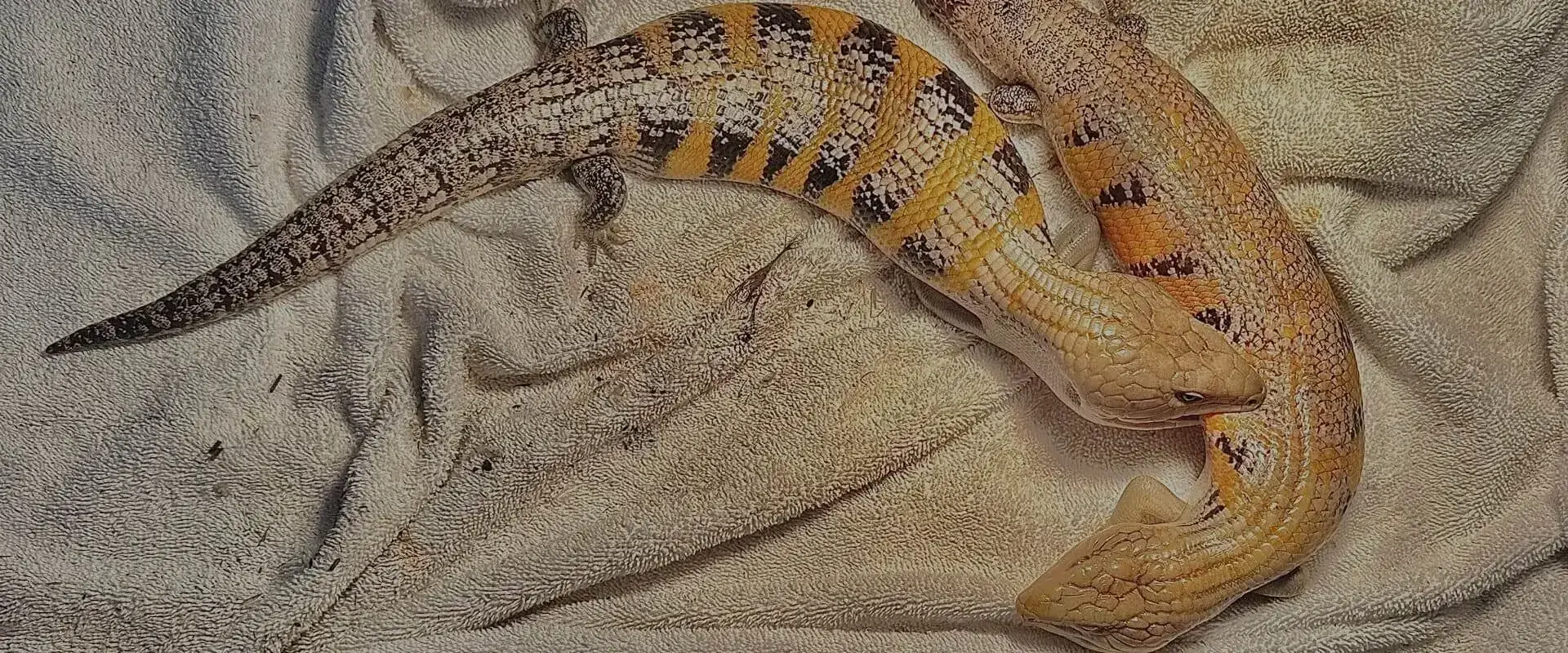
A: I am always interested in acquiring Blue Tongues that align with my breeding projects. For Northerns, that means specialty morphs featuring high orange with an absence of their traditional dark side bands. For Irian Jayas, size does matter. I want to produce GIANT Blue Tongues. So adult Jayas 25+ Inches and 900+ grams and bigger. The prospects of other Australian Blue Tongue species also intrigue me, particularly Centralians (Tiliqua Multifasciata) and Shinglebacks (Tiliqua Rugosa).
A: It all comes down to personal preference, and your budget. There is virtually no difference in care, affection, temperament or size.
A: CBB = Captive Born and Bred, meaning both parents were born and raised in captivity, as was their offspring.
CB = Captive Born, meaning the mother was collected from the wild, already pregnant and gave birth in captivity. The babies still stand a 50/50 chance of being born sick or showing signs of parasites like any bluey captured in the wild and shipped hastily overseas.
WC = Wild Caught. This can mean caught directly from the wild or raised in outdoor farms in Indonesia. Either type of Wild Caught stands the same chance of coming in sick and having a feral personality its whole life in captivity.